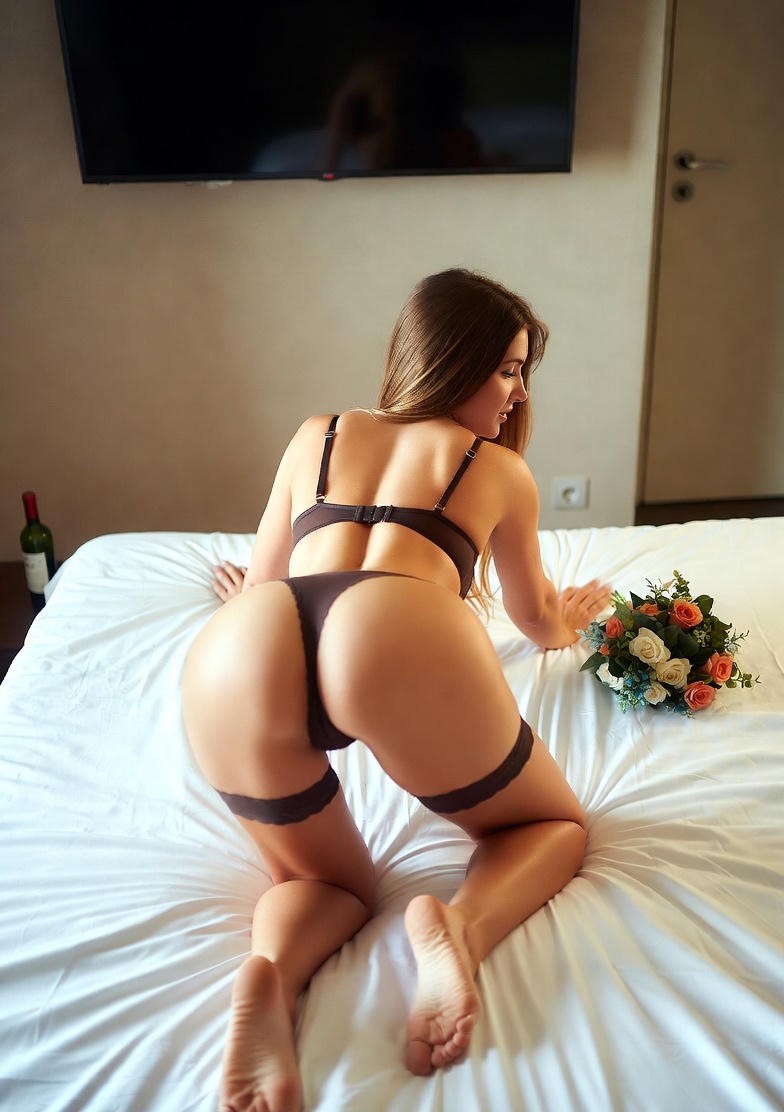
Discover how advanced AI tools can transform your creative vision into hyper-realistic or artistically stylized adult portraits with just a few words. Learn the art of prompt engineering for AI‚ explore techniques for AI portrait generation‚ and unleash the full potential of generative AI art to bring your characters to life.
Revolutionizing Portrait Creation with AI
The rise of AI-generated human images has democratized digital art‚ allowing creators to generate deep learning portraits and AI-generated character design with unprecedented speed and customization. Among the most powerful tools in this space are prompt-based AI adult portrait generators‚ which leverage text-to-image synthesis and neural style transfer to produce everything from photorealistic AI portrait realism to hyper-stylized stylized AI portraits. Whether you’re an artist seeking inspiration‚ a designer looking to refine concepts‚ or a creator exploring AI portrait customization‚ these tools offer a seamless way to iterate and refine your vision without traditional artistic constraints.
This guide explores how to harness the power of AI portrait generation tools to create adult portraits that align with your artistic intent. From mastering AI art prompts to understanding AI portrait generation techniques‚ we’ll cover everything you need to know to generate compelling‚ ethically conscious‚ and visually striking digital art.
How Prompt-Based AI Adult Portrait Generators Work
The Role of Prompt Engineering for AI
The magic of AI-generated human images begins with the prompt—the textual description you provide to guide the AI’s output. A well-crafted prompt acts as a blueprint‚ instructing the AI on the desired AI portrait aesthetics‚ mood‚ lighting‚ and even subtle details like facial expressions or clothing styles. For example:
- “A hyper-realistic portrait of a 30-year-old woman with warm golden lighting‚ soft skin texture‚ and a subtle smudge of makeup‚ styled in a modern yet timeless way.”
- “A cyberpunk-inspired digital portrait of a futuristic adult with neon blue eyes‚ metallic armor accents‚ and a cybernetic ear implant‚ rendered in a high-detail‚ cinematic style.”
By refining your prompts‚ you can influence the AI portrait generation techniques used‚ whether that means achieving AI portrait realism‚ a painterly neural style transfer effect‚ or a surreal‚ dreamlike composition.
Leveraging Generative AI Art and Deep Learning Portraits
Modern AI portrait generators rely on vast datasets of human images‚ trained through machine learning art algorithms to recognize patterns in facial structures‚ lighting‚ and textures. These models—often built using deep learning portraits—can synthesize new images by combining learned features in innovative ways. For instance:
- AI facial reconstruction: The AI can generate detailed facial features from minimal input‚ filling in missing details like hair‚ skin texture‚ or clothing.
- AI portrait upscaling: Low-resolution images can be enhanced to near-photorealistic quality‚ preserving fine details like wrinkles or freckles.
- AI portrait style transfer: A portrait can be transformed to mimic the artistic style of famous painters or modern digital artists.
Tools like AI portrait generation software often integrate multiple techniques‚ such as AI portrait rendering and AI portrait editing‚ to ensure the final output meets your creative goals.
Customization and Refinement
Once the initial AI-generated portrait is produced‚ you can further refine it using AI portrait customization techniques. Many platforms allow you to:
- Adjust AI portrait personalization settings‚ such as age‚ ethnicity‚ or facial proportions.
- Apply AI portrait enhancement algorithms to improve clarity‚ color grading‚ or texture.
- Generate AI-generated portrait variations to explore different styles or poses.
- Use AI portrait optimization tools to balance realism with artistic expression.
This iterative process ensures that your final AI-generated human likeness is not just a generic output but a unique reflection of your vision.
Mastering AI Portrait Generation Best Practices
Crafting Effective AI Art Prompts
The quality of your prompt directly impacts the output. Here’s how to write prompts that yield the best results:
- Be specific: Instead of “a woman‚” specify “a 28-year-old woman with olive skin‚ dark wavy hair‚ and a faint scar on her left cheek.”
- Describe lighting and mood: Add details like “soft diffused lighting‚” “moody atmospheric glow‚” or “high-contrast chiaroscuro.”
- Incorporate artistic references: Mention styles like “oil painting texture‚” “digital watercolor‚” or “anime-inspired.”
- Avoid ambiguity: Clarify gender‚ ethnicity‚ and other defining features to avoid unintended biases.
- Experiment with adjectives: Words like “ethereal‚” “gritty‚” or “romantic” can drastically alter the tone of the portrait.
Balancing Realism and Artistic Style
One of the strengths of AI-generated human images is the ability to toggle between AI portrait realism and stylized AI portraits. For example:
- For photorealistic portraits‚ focus on details like skin pores‚ natural hair texture‚ and subtle expressions.
- For stylized or surreal portraits‚ emphasize bold colors‚ exaggerated features‚ or abstract compositions.
- Use neural style transfer to blend photorealistic faces with artistic styles‚ such as impressionism or cyberpunk.
Many AI portrait generation tools offer sliders or preset styles to achieve this balance‚ allowing you to fine-tune the output to your liking.
Ethical Considerations in AI Portrait Generation
While AI-generated human images open up creative possibilities‚ they also raise ethical questions. To ensure responsible use:
- Avoid deepfake portrait generation for deceptive purposes‚ such as impersonation or non-consensual use.
- Respect privacy and consent: Do not generate portraits of real individuals without their permission.
- Be mindful of biases: Ensure your prompts are inclusive and avoid reinforcing stereotypes.
- Use for creative‚ non-malicious purposes‚ such as character design‚ conceptual art‚ or personal projects.
Many platforms emphasize AI portrait generation ethical considerations to guide users toward ethical and artistic applications.
Top AI Portrait Generation Tools and Workflows
Leading AI-Powered Digital Art Platforms
Here are some of the most popular AI portrait generation software and tools that excel in creating adult portraits:
- MidJourney: Known for its ability to generate highly detailed and artistic portraits with minimal prompts.
- DALL·E 3: Offers advanced text-to-image synthesis with a focus on realism and creativity.
- Stable Diffusion: A versatile generative AI art tool with extensive customization options for AI portrait customization.
- Leonardo.AI: Specializes in AI portrait generation techniques with a user-friendly interface for refining outputs.
- NightCafe: Provides AI portrait generation applications with presets for different artistic styles.
Streamlining Your AI Art Workflows
To maximize efficiency‚ integrate AI portrait generation pipelines into your creative process:
- Start with a rough concept: Sketch or describe your idea before inputting it into the AI.
- Generate multiple variations: Use the tool’s AI-generated portrait variations feature to explore different angles or styles.
- Refine with AI portrait editing: Adjust colors‚ lighting‚ or details using built-in tools or external software like Photoshop.
- Iterate and improve: Use feedback to tweak your prompts and achieve the desired AI portrait quality improvement.
- Export and integrate: Save your AI-generated avatars in high resolution for use in games‚ animations‚ or digital media.
Case Studies: Real-World Applications
AI portrait generation case studies demonstrate how creators are using these tools across industries:
- Gaming and Animation: Developers use AI-generated character design to prototype characters quickly‚ saving time on traditional concept art.
- Virtual Influencers: Brands create AI-generated human likeness for digital personalities‚ blending AI and human interaction.
- Fashion and Advertising: Designers experiment with AI portrait rendering to visualize clothing on diverse models without physical photoshoots.
- Artistic Exploration: Artists use AI portrait style transfer to push boundaries in mixed-media art‚ combining traditional and digital techniques.
Challenges and Future Trends in AI Portrait Generation
Common AI Portrait Generation Challenges
While AI-generated human images have advanced significantly‚ there are still hurdles to overcome:
- Realism vs. Artistic Style: Achieving a perfect balance between hyper-realism and creative expression can be tricky.
- Bias and Representation: AI models may inadvertently reinforce stereotypes if not trained on diverse datasets.
- Computational Limits: Generating ultra-high-resolution portraits requires significant processing power.
- Ethical Concerns: Misuse of AI-generated human images can lead to deepfake-related issues or privacy violations.
Emerging AI Portrait Generation Trends
The future of AI-generated human images is evolving rapidly‚ with several exciting trends on the horizon:
- Real-Time AI Portraits: Tools that allow live AI portrait generation during video calls or streaming sessions.
- Hyper-Personalization: AI that adapts to individual user preferences‚ generating portraits tailored to specific moods or contexts.
- Interactive AI Avatars: Portraits that can dynamically change expressions or poses based on user input.
- Sustainable AI Art: Energy-efficient generative AI tools that reduce the environmental impact of large-scale image generation.
- Integration with AR/VR: AI-generated avatars that can be seamlessly embedded into augmented or virtual reality experiences.
Research and Innovation
AI portrait generation research continues to explore new methods for improving AI portrait generation techniques‚ such as:
- GANs (Generative Adversarial Networks): Advanced architectures that enhance the realism and diversity of generated portraits.
- Diffusion Models: Techniques that refine image quality by gradually adding or removing noise.
- Few-Shot Learning: AI models that can generate portraits with minimal input‚ reducing reliance on extensive datasets.
- Emotion and Expression Recognition: AI that can mimic or enhance human emotions in generated portraits.
Getting Started with a Free Prompt-Based AI Adult Portrait Generator
Ready to explore the world of AI-generated human images? Many platforms offer free trials or freemium models to let you experiment with AI portrait generation tools before committing. Here’s how to get started:
- Upload a Reference Image (Optional): Some tools allow you to upload a photo for the AI to mimic or enhance. This is useful for AI portrait upscaling or AI portrait editing.
- Craft Your Prompt: Write a detailed description of the portrait you want‚ incorporating AI art prompts for clarity and specificity.
- Generate and Refine: Let the AI create multiple variations and use AI portrait optimization tools to tweak the output.
- Experiment with Styles: Try different AI portrait style transfer techniques to see how your portrait transforms.
- Download and Share: Once satisfied‚ export your AI-generated avatars in high resolution for your projects.
Many platforms also offer tutorials or community forums where you can learn AI portrait generation best practices from other creators. Whether you’re a beginner or an experienced artist‚ these tools provide endless opportunities to push the boundaries of digital art.
Unlocking Creativity with Prompt-Based AI Adult Portrait Generators
The advent of AI-generated human images has transformed the way we create and interact with digital portraits. With prompt engineering for AI‚ text-to-image synthesis‚ and neural style transfer‚ you can generate deep learning portraits that are as realistic as they are artistically expressive. From AI portrait customization to AI portrait rendering‚ these tools empower creators to explore new aesthetic frontiers without traditional limitations.
As AI portrait generation techniques continue to evolve‚ the possibilities for AI-generated character design and AI-powered digital art are limitless. Whether you’re a professional artist‚ a game developer‚ or an enthusiast‚ leveraging generative AI tools can accelerate your workflow and inspire fresh ideas. Embrace the future of digital art—where your imagination meets the power of AI.
Try a free AI adult portrait generator today and see what your prompts can create!