
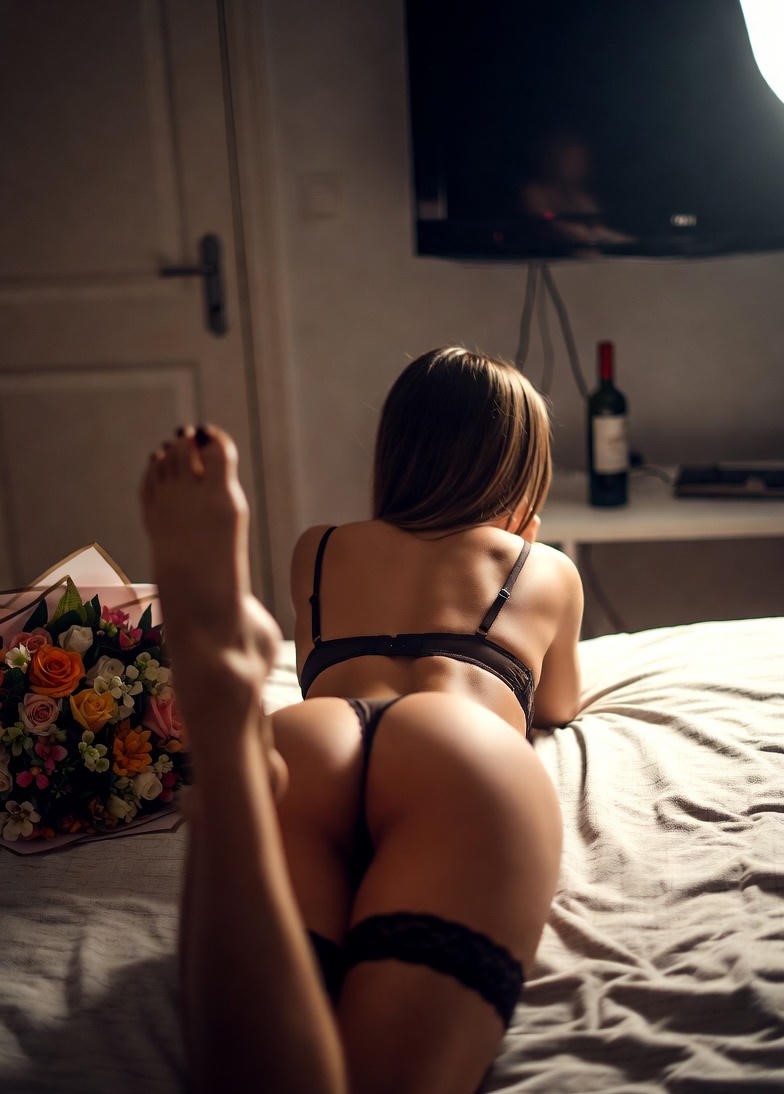
The intersection of AI-generated art and digital creativity has opened new frontiers in AI art generators, allowing users to transform simple concepts into stunning visuals with minimal effort. Among the most debated applications of generative AI models is the emergence of browser-based tools that create AI nude art. These web-based AI tools leverage advanced AI-powered creation techniques to generate hyper-realistic or artistic representations based on user prompts. While these tools offer exciting possibilities for AI-assisted creativity, they also raise critical questions about AI art ethics, digital privacy, and the broader implications of AI-generated content risks.
What Is a Browser-Based AI Nude Art Generator?
A browser-based AI nude art generator is a type of AI art platform that operates entirely within a web browser, using AI image synthesis techniques to produce digital imagery based on textual or visual inputs. Unlike traditional digital art tools, these platforms rely on AI and deep learning algorithms to interpret prompts and generate AI-generated visuals that resemble human figures in various artistic styles or levels of realism.
These tools often integrate deepfake technology, enabling users to create synthetic imagery that mimics real-life appearances with remarkable accuracy. While some applications focus on artistic expression, others blur the line between creativity and digital nudity, raising concerns about misuse and ethical boundaries.
The appeal of these generators lies in their accessibility—users can experiment with AI-generated imagery tools without downloading software, making them an attractive option for artists, designers, and enthusiasts exploring AI and digital art.
How Browser-Based AI Tools Work
Browser-based AI nude art generators function through a combination of AI art generators and AI and deepfake detection techniques. Here’s a simplified breakdown of the process:
- Input Prompt: Users provide a textual description or upload an image to guide the AI in generating content. For example, a prompt might include details like “a futuristic cyberpunk woman in a neon dress” or “a classical sculpture of a nude figure;”
- AI Processing: The platform’s generative AI models analyze the input and generate multiple variations of the requested imagery using neural networks trained on vast datasets.
- Style and Realism Adjustments: Users can refine the output by selecting artistic styles, adjusting realism levels, or modifying proportions to achieve the desired aesthetic.
- Output Generation: The final AI-generated deepfakes or artistic renditions are rendered in high resolution, ready for download or further editing.
Many of these tools also incorporate features like AI art and copyright checks to ensure compliance with intellectual property laws, though the effectiveness of these measures remains a topic of debate in the AI art controversies landscape.
Ethical Considerations and Risks
The rise of browser-based AI nude art generators has sparked intense discussions about AI art ethics and the societal impact of AI-generated content. Here are some of the key ethical concerns:
- Consent and Privacy: The creation of AI-generated deepfakes of real individuals without their consent raises serious AI and privacy issues. Once generated, these images can be shared, manipulated, or misused, leading to reputational harm or exploitation.
- Deepfake Risks: The technology behind these generators can also be misused to create AI-generated pornography or non-consensual content, exacerbating existing issues of AI and deepfake risks. This has led to calls for stricter regulations on AI-generated content moderation.
- Authenticity and Trust: The proliferation of AI-generated visuals challenges the authenticity of digital media. Without proper labeling or verification, it becomes difficult to distinguish between real and synthetic content, raising concerns about AI and misinformation.
- Exploitation and Harm: The ease of creating AI-generated deepfakes of public figures or private individuals can be weaponized for blackmail, revenge porn, or other malicious purposes, highlighting the need for AI and online safety measures.
- Cultural and Moral Implications: The normalization of AI-generated nudity in art and media prompts questions about societal values and the erosion of boundaries in AI art and morality. How do we balance creative freedom with the protection of individuals?
The debate around these tools underscores the importance of AI art and regulations that address both the creative potential and the ethical pitfalls of AI-generated media.
Legal and Regulatory Landscape
The legal framework surrounding AI-generated imagery tools, particularly those capable of producing AI-generated deepfakes, is still evolving. Governments and organizations worldwide are grappling with how to regulate AI and deepfake detection while fostering innovation. Key areas of focus include:
- Content Moderation: Platforms are increasingly expected to implement AI content creation safeguards, such as age verification, content warnings, and reporting mechanisms for non-consensual or harmful imagery.
- Copyright and Intellectual Property: Questions arise about whether AI-generated art can be copyrighted and how creators of original prompts or datasets are protected under AI art and copyright laws.
- Deepfake Legislation: Some regions have introduced laws targeting the malicious use of AI-generated deepfakes, such as bans on non-consensual deepfakes or penalties for creating and distributing them. However, these laws often struggle to keep pace with technological advancements.
- Transparency Requirements: There is growing pressure for AI art platforms to clearly label AI-generated visuals to inform users about the synthetic nature of the content, aligning with broader discussions about AI art and authenticity.
As the technology matures, it is likely that more comprehensive regulations will emerge, particularly around AI art and digital rights and the ethical use of AI-generated content.
Responsible Use of AI Nude Art Generators
While the ethical concerns surrounding AI-generated deepfakes and AI-generated pornography are significant, it’s important to acknowledge that these tools also have legitimate artistic and educational applications. Here’s how users can engage with AI-generated art responsibly:
- Prioritize Consent: Ensure that any generated imagery does not involve real individuals without their explicit permission. If using AI to create representations of people, opt for fictional or abstract characters to avoid ethical dilemmas.
- Avoid Harmful Content: Refrain from creating or sharing AI-generated deepfakes that could cause harm, defame individuals, or exploit vulnerable groups. This aligns with broader principles of AI art and morality.
- Respect Intellectual Property: Be mindful of copyrighted material used in prompts or training datasets. While many AI art generators use publicly available data, some platforms may inadvertently incorporate protected works.
- Educate Yourself on Risks: Understand the potential misuse of AI-generated visuals and stay informed about AI and deepfake risks. Knowledge is a powerful tool in mitigating harm.
- Support Ethical Development: Advocate for AI art platforms that prioritize user safety, transparency, and ethical guidelines. Your choices as a user can influence the industry’s trajectory.
By adopting a responsible approach, users can harness the creative potential of AI-generated art while minimizing the risks associated with AI-generated deepfakes and synthetic media.
Exploring Alternatives: Ethical AI Art Creation
For those interested in experimenting with AI-powered creation without crossing ethical boundaries, there are alternative AI art generators that focus on artistic expression rather than controversial content. Here are some considerations:
- Focus on Abstract or Non-Representational Art: Many AI art platforms allow users to generate abstract patterns, surreal landscapes, or stylized illustrations without depicting human figures. This approach avoids the ethical complexities of AI-generated nudity.
- Use AI for Concept Development: Leverage AI-generated visuals to brainstorm ideas, create mood boards, or refine artistic concepts before committing to traditional or digital mediums.
- Collaborate with Human Artists: Combine AI-assisted creativity with human input to produce hybrid works. This approach ensures that the final output reflects intentional artistic choices rather than purely algorithmic generation.
- Explore Educational Applications: Teachers and educators can use AI-generated imagery tools to create educational content, such as anatomical studies or historical reconstructions, with proper safeguards in place.
By shifting the focus toward ethical and innovative uses of AI-generated art, users can contribute to the positive evolution of AI and digital art while avoiding the pitfalls of AI-generated deepfakes.
The Future of AI-Generated Art: Balancing Innovation and Ethics
The trajectory of AI-generated art will largely depend on how stakeholders—developers, policymakers, artists, and the public—address the challenges of AI art ethics. As AI and deep learning continue to advance, the lines between creativity and exploitation will become even more blurred. Key trends to watch include:
- Improved Content Moderation: Future AI art platforms may integrate advanced AI content creation filters and detection systems to automatically flag or block harmful content, reducing the risk of misuse.
- Regulatory Frameworks: Governments may introduce stricter AI art and regulations, particularly around AI-generated deepfakes and AI-generated pornography. These could include mandatory labeling, age verification, or bans on certain types of synthetic media.
- User Empowerment: Tools that allow users to customize and control the generation process—such as adjusting realism levels or selecting artistic styles—could empower creators to produce AI-generated visuals that align with their ethical standards.
- Public Awareness Campaigns: Increased education about the capabilities and limitations of AI-generated imagery tools can help users make informed decisions about their use, fostering a culture of responsible AI art and digital rights.
- Hybrid Artistic Practices: The most promising developments may lie in the fusion of AI-assisted creativity with human artistry, where technology serves as a tool for enhancement rather than replacement.
The future of AI-generated art is not solely determined by technological progress but by the choices we make as a society. By engaging thoughtfully with AI art trends and AI-generated content risks, we can shape an environment where innovation thrives alongside ethical responsibility.
Final Thoughts: Navigating the AI Art Landscape
Browser-based AI nude art generators represent a fascinating intersection of technology, art, and ethics. While these AI art platforms offer unprecedented opportunities for AI-powered creation, they also pose significant challenges related to AI art and morality, AI and privacy issues, and AI-generated content risks. The key to harnessing their potential lies in fostering a culture of responsibility, transparency, and innovation.
As users, artists, and creators, it’s our responsibility to explore these tools with intention. Whether you’re experimenting with AI-generated visuals for artistic expression, educational purposes, or conceptual design, always prioritize ethical considerations. By doing so, we can ensure that the evolution of AI-generated art remains aligned with the values of creativity, respect, and human dignity.
If you’re curious about trying a browser-based AI tool for yourself, many platforms offer free trials or demo versions. However, it’s essential to approach these tools with awareness of their capabilities and limitations. Always ask yourself: Is this creation respectful, ethical, and aligned with my values?
In the ever-expanding world of AI-generated imagery tools, the power to shape its future lies in our hands.