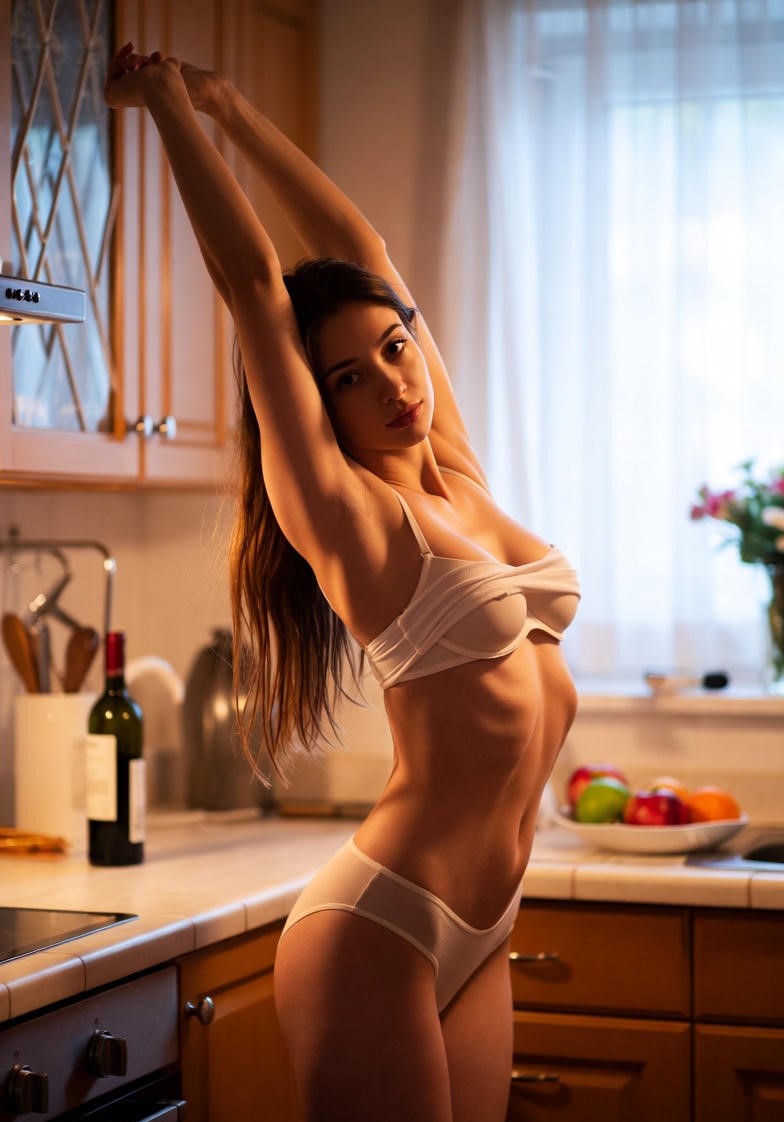
In the rapidly evolving landscape of AI-powered image synthesis and deep learning-based visual creation, the ability to generate hyper-realistic digital content has reached unprecedented levels․ Among the most sophisticated applications of generative AI tools is the creation of realistic adult AI visuals—a domain where neural network image generation meets artistic expression․ This technology represents a paradigm shift in how we approach realistic digital art generation, offering creators, marketers, and artists unprecedented control over synthetic media creation․
Whether you’re exploring AI-generated imagery for artistic projects, enhancing marketing materials with machine learning visuals, or experimenting with artificial intelligence for graphics, this guide will walk you through the capabilities of modern AI-generated photo realism platforms․ Discover how these tools leverage photorealistic AI models and synthetic media technology to produce content that blurs the line between digital and reality․
Understanding the Power of AI-Generated Realism
The foundation of realistic adult AI visual generators lies in deep neural network art and generative adversarial networks (GANs), which enable the creation of high-fidelity AI images that appear almost indistinguishable from photographs․ These systems use vast datasets of real images to learn patterns, textures, and nuances, allowing them to generate AI-generated visual media with remarkable accuracy․
Unlike traditional AI-assisted art creation methods, which often rely on manual adjustments or limited templates, today’s AI-powered digital illustration tools can produce synthetic image generation platforms that adapt to specific prompts, styles, and even emotional tones․ This makes them invaluable for:
- Artists seeking to explore new creative directions without traditional constraints
- Marketers looking to create engaging, high-quality visuals for campaigns
- Content creators who need dynamic and customizable imagery for social media or storytelling
- Researchers investigating the boundaries of computational art generation and AI-enhanced visual content
The Evolution of AI-Generated Content
The journey from early deepfake visuals to today’s realistic AI-generated content has been marked by significant advancements․ What began as a niche application for automated digital art has now become a cornerstone of AI-driven graphic design․ Modern platforms utilize:
- Neural Radiance Fields (NeRF) for images to create depth and realism
- Advanced AI image rendering techniques for seamless integration with existing media
- Realistic AI-rendered content that adapts to lighting, shadows, and environmental contexts
- AI-generated synthetic assets that maintain consistency across multiple generations
These innovations have made it possible to generate realistic AI-generated portraits, AI-generated 3D visuals, and even synthetic image modeling that responds to user input in real time․ The result is a tool that not only generates images but also enhances creativity and efficiency in visual content production․
Harnessing the power of AI-powered visual content creation is simpler than ever․ Most platforms follow a straightforward workflow that combines intuitive design with cutting-edge deep learning for image generation․ Here’s how you can get started:
-
Upload or Select a Reference
Begin by uploading a photo or selecting a template that aligns with your vision․ Many platforms offer pre-loaded assets or allow you to import your own images to serve as a foundation for the AI’s generation process․
-
Define Your Prompt
Craft a detailed prompt that guides the AI in generating the desired output․ For realistic adult content, specificity is key․ Describe not just the subject but also the mood, lighting, and any unique characteristics you want emphasized․ For example:
- “A hyper-realistic portrait of a woman with soft, diffused lighting, focusing on delicate facial features and natural skin texture․”
- “A dynamic scene of a couple in a sunlit garden, with realistic shadows and environmental details․”
-
Customize with AI-Powered Tools
Most platforms provide additional controls to refine the output․ Adjust parameters such as:
- Realism level – Balance between photorealism and artistic interpretation
- Style preferences – From hyper-realistic to slightly stylized
- Pose and composition – Guide the AI to emphasize certain angles or perspectives
- Background integration – Ensure the generated content fits seamlessly with any provided backdrop
-
Generate and Refine
Once you’re satisfied with your settings, let the AI generate the image․ Most tools provide multiple variations or allow you to tweak parameters on the fly․ Use the preview feature to assess the output and make adjustments as needed․
-
Export and Integrate
Download your AI-generated synthetic media in high resolution and use it across various platforms․ Whether for digital art, marketing campaigns, or entertainment, these tools ensure your content is polished and professional․
Pro Tip: Experiment with different prompts and styles to discover the full range of what AI-generated photorealistic scenes can achieve․ The more detailed your input, the more precise and realistic the output will be․
Key Features of a Leading AI Visual Generator
Not all AI-generated synthetic media platforms are created equal․ The best tools for realistic adult content combine cutting-edge technology with user-friendly interfaces․ Here are the features to look for:
Hyper-Realistic Output
Leverages photorealistic AI models and deep learning for photorealistic images to produce content that rivals traditional photography․ The goal is to create visuals that feel authentic and emotionally resonant․
Customizable Styles
Allows you to switch between realistic AI-generated portraits, AI-generated environmental art, or AI-generated realistic textures․ This flexibility ensures your content aligns with your creative vision․
Prompt-Based Generation
Enables you to describe your desired outcome in natural language, making the process accessible to both technical and non-technical users․ The AI interprets your prompt and generates content accordingly․
Real-Time Adjustments
Provides tools to tweak parameters on the fly, such as lighting, composition, and detail level․ This ensures you can refine your output without starting from scratch․
High-Resolution Export
Delivers high-fidelity AI images in formats suitable for print, digital platforms, or professional use․ The clarity and detail ensure your content stands out․
Privacy and Security
Prioritizes user privacy by ensuring uploaded images are processed securely and do not remain in public databases․ Look for platforms that comply with data protection regulations․
Ethical Considerations and Best Practices
While AI-generated synthetic media offers incredible creative potential, it also raises important ethical questions․ Responsible use of these tools involves:
-
Consent and Representation
Ensure that any generated content does not depict real individuals without their consent․ The focus should be on creating original, fictional characters or abstract concepts rather than replicating real people․
-
Transparency
Be clear about the use of AI-generated content, especially in professional or commercial settings․ Labeling AI-generated visual effects as such helps maintain trust with your audience․
-
Avoiding Misuse
Refrain from using these tools for deceptive purposes, such as creating deepfake-like AI-generated content or spreading misinformation․ The technology should enhance creativity, not manipulate reality․
-
Respecting Boundaries
When generating realistic AI-generated characters, avoid portraying sensitive or harmful content; The platform should encourage positive, inclusive, and respectful visual storytelling․
By adhering to these principles, you can leverage AI-powered visual content production as a force for good, pushing the boundaries of digital art while maintaining ethical integrity․
Exploring Advanced Applications
The possibilities of AI-generated synthetic visuals extend far beyond basic image generation․ Here are some advanced applications that showcase the versatility of these tools:
-
Realistic AI-Generated Portraits
Create lifelike portraits with customizable features, expressions, and backgrounds․ These can be used for avatars, digital characters, or artistic projects․
-
AI-Generated Environmental Art
Design immersive scenes, such as landscapes, interiors, or fantasy settings, with realistic textures and lighting․ Ideal for game development, film, or virtual reality․
-
Synthetic Media for Marketing
Generate high-quality product images, promotional materials, or even virtual influencers to engage audiences․ The AI-generated realistic textures ensure products look polished and appealing․
-
AI-Powered Visual Storytelling
Combine generated imagery with narrative elements to create compelling visual stories․ This is particularly useful for books, comics, or interactive media․
-
Realistic AI Character Models
Develop 3D-ready characters with detailed anatomy, clothing, and expressions․ These models can be animated or integrated into existing projects with ease․
For those interested in pushing the envelope further, platforms also support AI-generated synthetic assets for virtual production, where AI-generated backgrounds or props can be seamlessly blended with live-action footage․ This technique is revolutionizing filmmaking and content creation․
Getting Started with Your First AI-Generated Visual
Ready to experience the power of AI-driven image synthesis for yourself? Here’s how you can begin:
-
Choose a Platform
Select a reputable service that specializes in realistic AI-generated content․ Look for platforms with positive reviews, strong privacy policies, and a user-friendly interface․
-
Upload Your Reference
Start by uploading a photo or selecting a template․ This serves as the foundation for the AI’s generation process․ You can also begin with a blank canvas if you prefer to guide the AI entirely through your prompt․
-
Experiment with Prompts
Play around with different descriptions to see how the AI interprets your input․ For example, try generating a realistic AI-generated landscape versus a stylized AI-generated scene․ Notice how the output changes based on your wording․
-
Refine and Adjust
Use the platform’s tools to tweak lighting, composition, and other details․ Most systems allow you to iterate quickly, so don’t be afraid to experiment․
-
Download and Share
Once you’re happy with the result, download your AI-generated visual media and share it with the world․ Whether it’s for personal projects, professional use, or creative exploration, your new digital creation is ready to inspire․
Try It Free Today
Discover the potential of AI-powered visual content generation with a free trial․ Upload a photo or start with a blank canvas and see what our advanced deep learning-based visual enhancement tools can create․ Experience firsthand how AI-generated realistic content can transform your ideas into stunning visuals․
Start your free trial now and unlock the future of digital art!
The Future of AI-Generated Visuals
The field of AI-generated synthetic media is evolving at a rapid pace, with continuous advancements in deep learning for digital art and AI-driven creative tools․ As these technologies mature, we can expect:
-
Even Greater Realism
Future iterations of AI-generated photorealistic scenes will push the boundaries of what’s possible, with near-perfect replication of real-world textures and lighting․
-
Interactive AI Generation
Tools that allow real-time adjustments and collaborative creation, enabling multiple users to work together on AI-generated projects․
-
Integration with Other AI Tools
Seamless compatibility with AI-powered visual effects software, deepfake prevention through AI, and other creative applications, expanding the possibilities for multimedia content․
-
Ethical Frameworks
Developments in guidelines and regulations to ensure responsible use of AI-generated synthetic assets, balancing innovation with ethical considerations․
As an artist, creator, or professional, staying ahead of these trends means embracing the tools that are reshaping the landscape of visual content․ Whether you’re exploring AI-generated realistic environments or experimenting with generative AI for visual arts, the opportunities are limitless․ The future of digital art is here—and it’s being created by AI․
Embrace the revolution in AI-driven synthetic image creation and let your imagination guide the way․ The tools are at your fingertips; all that’s left is to create․