
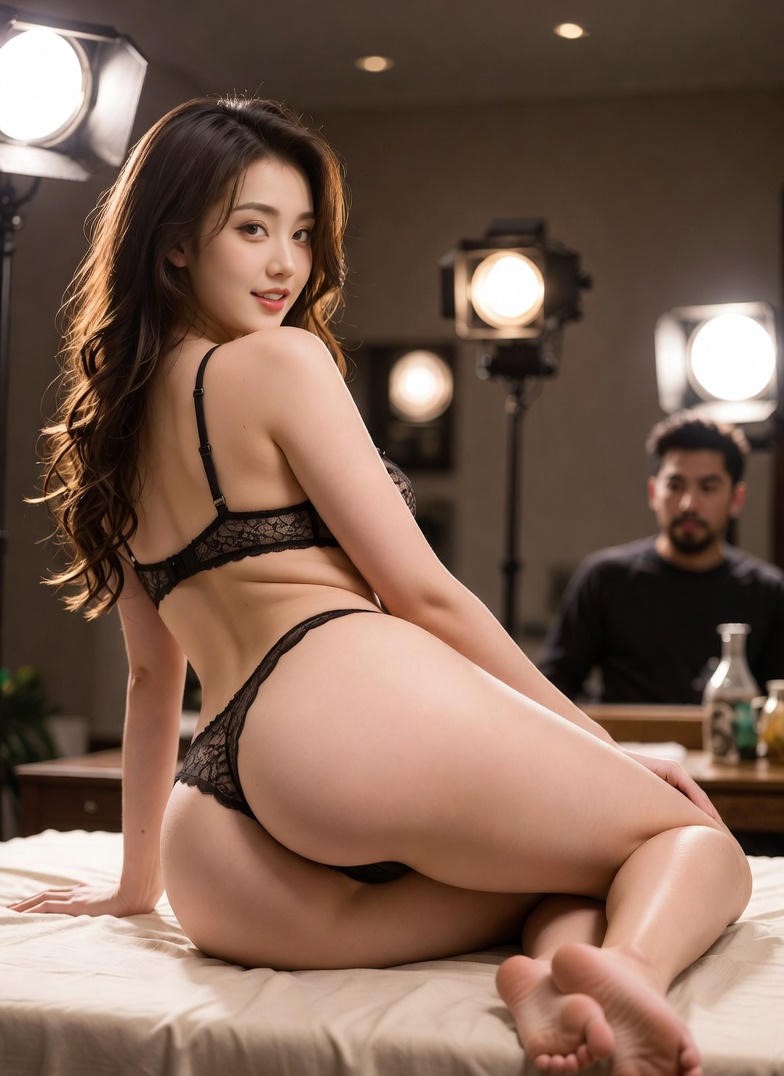
The intersection of artificial intelligence and adult content creation represents one of the most dynamic and evolving applications of AI-powered image generation. With advancements in deep learning models and neural networks for images, today’s generative AI tools can produce hyper-realistic, customizable, and ethically nuanced visuals that push the boundaries of synthetic media creation. Whether you’re an artist, designer, or content creator, understanding how these technologies work—and how to use them responsibly—can unlock new dimensions of AI art generation and automated graphic design.
How AI-Powered Adult Image Generation Works
The magic behind AI-generated visuals lies in sophisticated machine learning algorithms that analyze vast datasets to generate or modify images. Two primary technologies drive this innovation:
Generative Adversarial Networks (GANs)
A GAN is a type of generative adversarial learning system where two neural networks compete: a generator creates images, and a discriminator evaluates their authenticity. Over time, this back-and-forth process refines the generator’s output, resulting in highly detailed and realistic AI-generated imagery. GANs are particularly effective for producing synthetic image generation that mimics human-created content with remarkable precision.
Diffusion Models
Diffusion models operate by gradually adding noise to an image and then learning to reverse this process, effectively “denoising” the data to reconstruct the original. This approach excels in generating AI-generated visual assets with fine-grained control, making them ideal for AI art synthesis and text-to-image synthesis. Many modern AI art generators leverage diffusion models to produce high-quality, customizable outputs based on textual prompts.
Neural Style Transfer
This technique allows users to blend the style of one image with the content of another, creating entirely new visuals. While not exclusive to adult content, neural style transfer is a powerful tool for AI-assisted creativity, enabling artists to experiment with AI-enhanced design and AI image manipulation in ways previously unimaginable.
The Role of AI in Adult Content Creation
The application of AI in creative industries, particularly in adult content, reflects broader trends in AI-driven creative tools and AI-powered visual effects. Here’s how these technologies are reshaping the landscape:
- Hyper-Personalization: AI enables the creation of AI-generated concept art tailored to specific preferences, whether for character design, fantasy scenarios, or niche interests. This level of AI image customization allows creators to explore ideas that might be impractical or time-consuming to produce manually.
- Automated Visual Storytelling: With AI-powered visual storytelling, creators can generate entire sequences of images or scenes based on prompts, accelerating the production of AI-generated visual assets. This is particularly useful for storyboarding, mood boards, or even entire narrative arcs.
- Ethical and Consent-Centric Design: Responsible use of AI art creation tools involves prioritizing consent, diversity, and authenticity. Many platforms now incorporate safeguards to ensure that synthetic media generation aligns with ethical guidelines, promoting AI art evolution that respects human dignity.
- Innovation in Digital Art: For artists and designers, AI for digital artists offers tools like AI image upscaling, AI-based visual synthesis, and automated image editing that enhance workflow efficiency. These capabilities allow creators to focus on conceptualization rather than repetitive tasks.
Ready to Explore AI-Powered Adult Image Generation?
Our platform combines cutting-edge deep learning in visual arts with intuitive tools to help you generate, edit, and refine images based on your prompts. Whether you’re looking for AI-generated concept art, AI art automation, or AI-powered graphic design, our AI art platforms provide a seamless experience. Try our service for free today—upload a photo or describe your vision, and let our AI-driven image innovation bring it to life.
Key Considerations for Ethical and Responsible Use
As with any powerful technology, the use of AI-generated visuals in adult content comes with ethical responsibilities. Here are some critical factors to keep in mind:
Consent and Representation
Ensure that any synthetic media creation adheres to principles of consent and avoids perpetuating harmful stereotypes. AI art platforms should prioritize diversity, inclusivity, and respect for all individuals represented in their outputs.
Transparency
Users should be clear about the AI-generated nature of content, especially when it involves deepfake technology or AI-generated imagery. Transparency builds trust and allows audiences to engage with content knowledgeably.
Legal and Copyright Compliance
While AI-powered visual content offers unprecedented creative freedom, it’s essential to navigate copyright laws and platform guidelines. Some AI art generators may have restrictions on certain types of content, so always review terms of service before proceeding.
Balancing Innovation with Human Touch
The best AI art synthesis complements human creativity rather than replaces it. Combining AI-assisted digital art with traditional techniques can lead to groundbreaking results that feel both innovative and authentic.
Getting Started with AI-Powered Adult Image Generation
If you’re new to AI-generated imagery, here’s how you can begin leveraging these tools effectively:
Step 1: Choose the Right Platform
Select an AI art platform that aligns with your needs. Look for features like:
- User-friendly interfaces for easy navigation.
- Customizable prompts to refine your output.
- Ethical safeguards to ensure responsible use.
- High-quality outputs with options for AI image upscaling and AI-based image enhancement.
Step 2: Experiment with Prompts
The power of AI-generated visuals lies in your ability to craft detailed prompts. Start with broad descriptions and gradually refine them. For example:
- “A hyper-realistic portrait of a fantasy character with glowing blue eyes, standing in a neon-lit cyberpunk city.”
- “A stylized illustration of a mythical creature with intricate patterns, rendered in a watercolor aesthetic.”
- “A dynamic action scene featuring two characters in a futuristic arena, with cinematic lighting.”
Experiment with different styles, moods, and themes to discover what resonates with your vision.
Step 3: Refine and Edit
Once you’ve generated an image, use automated image editing tools to fine-tune details. Many AI art generators offer features like:
- Background removal for focused compositions.
- Color adjustment to match your desired palette.
- Object manipulation to add or modify elements.
- Style transfer to blend artistic influences;
Step 4: Iterate and Learn
The more you use AI-powered creative workflows, the better you’ll understand how to communicate your ideas effectively. Don’t hesitate to:
- Review examples of AI-generated concept art to inspire your prompts.
- Seek feedback from communities of artists and creators.
- Stay updated on advancements in AI art evolution and AI-driven image innovation.
The Future of AI in Adult Content Creation
The field of AI-generated imagery is rapidly evolving, with ongoing advancements in deep neural networks for art and computer vision advancements. Here’s what the future might hold:
More Realistic and Diverse Outputs
As AI art creation tools continue to train on larger and more diverse datasets, the quality and realism of AI-generated visuals will improve. Expect to see more nuanced representations of body types, ethnicities, and styles.
Integration with Virtual and Augmented Reality
The fusion of AI-powered visual effects with VR and AR could revolutionize how adult content is experienced. Imagine AI-generated concept art that can be explored in immersive 3D environments, offering entirely new forms of interaction and storytelling.
Enhanced User Control and Customization
Future AI art platforms may offer even greater control over AI-generated imagery, allowing users to adjust parameters like lighting, anatomy, or emotional expression in real time. This could lead to AI art automation that feels more intuitive and collaborative.
Greater Emphasis on Ethical AI
As AI-generated visuals become more prevalent, there will likely be increased scrutiny around ethics and consent. Platforms will need to implement stricter safeguards to prevent misuse and ensure that synthetic media generation aligns with societal values.
Final Thoughts: Embracing AI for Creative Expression
The advent of AI-powered adult image generation marks a significant milestone in the AI in creative industries. For artists, designers, and content creators, these tools offer unprecedented opportunities to explore, innovate, and push the boundaries of digital art. However, with great power comes great responsibility—it’s essential to use AI-generated visuals ethically, creatively, and with respect for all individuals involved.
Whether you’re a seasoned professional or a newcomer to AI art synthesis, the key to success lies in experimentation, learning, and staying informed. By leveraging AI-powered visual storytelling and AI-assisted digital art, you can unlock new dimensions of creativity while contributing to the responsible evolution of AI-generated imagery.
Start Your AI-Powered Creative Journey Today
Experience the future of AI-generated visuals with our intuitive and powerful platform. Try our service for free—upload a photo, describe your vision, and let our AI art creation tools transform your ideas into stunning, customizable images. Whether you’re refining an existing concept or exploring entirely new possibilities, our AI-powered visual effects are here to inspire and assist.
Discover the limitless potential of AI-generated imagery—where innovation meets creativity, and every prompt becomes a masterpiece.




This article does an excellent job breaking down complex topics like GANs and diffusion models into understandable concepts! The balance between technical depth and practical relevance makes it accessible for both beginners exploring AI art tools *and* experienced creators looking to refine their workflows.
As someone who works at the intersection of tech ethics and creative industries, I appreciate how this piece highlights both *the potential* (like hyper-customizable assets) *and* *the pitfalls* (like deepfake risks). The section on diffusion models was especially insightful—it’s rare to find such clear explanations without jargon overload.
Fascinating read! The ethical considerations woven into discussions about responsible use are particularly timely—especially as these technologies become more mainstream. Would love to see more case studies on how creators are applying these techniques while navigating consent frameworks.